Fortnite Is Back on the App Store: Why the Epic vs. Apple Fight Matters to You
Fortnite returned to the US App Store in May 2025 after nearly five years away, and in May 2026 it rolled out to App Stores worldwide. The comeback is the latest chapter in Epic Games’ long legal battle with Apple over how apps are allowed to take your money — a fight whose outcome affects every app you pay for.
Last checked: October 3, 2026.
Key takeaways
- Fortnite is back. The game returned to the US App Store in May 2025 and to App Stores worldwide in May 2026, ending a removal that began in 2020.
- The fight was about payments. Epic challenged Apple’s rules against directing users to payment options outside the App Store — and the courts agreed with Epic on that point.
- Developers can now link out. Apps may direct you to external websites to complete purchases, which can mean different prices but also different protections.
- Paying outside the store is a trade. External payments can offer savings, but they leave behind the App Store’s purchase protections, receipts, and refund flow.
- Check before you pay off-store. Verify the site is the developer’s own, use a secure payment method, and save every receipt.
On this page
- Key takeaways
- On this page
- How a Game Got Kicked Off the App Store
- What the Courts Decided
- The Two Returns: 2025 and 2026
- What External Payments Mean for Your Wallet
- How to Pay Safely Outside the App Store
- Frequently asked questions
- Your concrete next step
How a Game Got Kicked Off the App Store
In August 2020, Epic Games added its own direct payment option inside Fortnite on iPhone, letting players buy the game’s virtual currency without going through Apple’s in-app purchase system. Apple takes a commission on in-app purchases — commonly up to thirty percent — so Epic’s move cut Apple out of the transaction entirely. Apple removed Fortnite from the App Store within hours, and Epic sued the same day.
The core of Epic’s argument was about control, not just the commission. Apple’s rules at the time did two things: they required digital purchases inside apps to use Apple’s payment system, and they forbade developers from even telling users that cheaper or alternative payment options existed elsewhere — the so-called anti-steering rules. Epic argued these rules were anticompetitive and kept prices higher than they needed to be.
Apple’s position was that the commission pays for the App Store itself — review, distribution, security, and the payment infrastructure — and that a single trusted checkout protects users from fraud. Both arguments had real weight, which is why the case dragged on for years and drew in regulators around the world. For ordinary users, though, the practical question was simpler: why couldn’t a developer tell you about its own website?
That question is what the courts eventually answered, and the answer is the reason Fortnite is back — and the reason your app payments may look different going forward.
What the Courts Decided
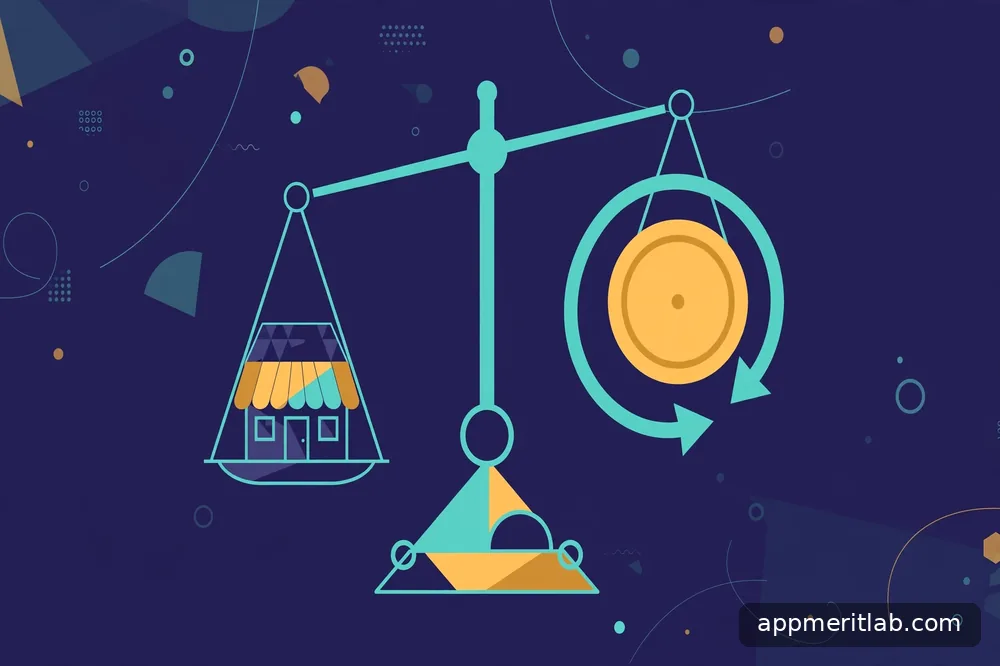
The legal story unfolded in stages. In 2021, a US federal court ruled that Apple’s anti-steering provisions — the rules stopping developers from linking to external payment options — violated California’s unfair competition law. Apple appealed, which extended the fight for years and delayed the practical effects of the ruling.
The turning point for Fortnite came in 2025. A federal judge found that Apple had violated the court’s earlier order on steering, and the pressure escalated until Apple approved Fortnite’s return to the US App Store. Then in April 2026, the Ninth Circuit Court of Appeals reversed a stay that had let Apple pause compliance, and the Supreme Court declined to intervene on Apple’s behalf. With those doors closed, Epic moved to relist Fortnite on App Stores worldwide.
It is worth being precise about what the courts did and did not decide. They did not set Apple’s commission rate, did not declare the App Store a monopoly in full, and did not order Apple to allow alternative app stores in the US. What they established — and what matters to you — is narrower and more concrete: developers can now tell you about payment options outside the App Store and link you to them. The fight over what commission Apple may charge on those external purchases continues in court.
That distinction matters because the headlines often blur it. The “final battle” language from Epic’s announcements describes an ongoing campaign, not a finished one. The part that is finished, and that affects your wallet today, is the steering question: the link out of the store is legal now.
The Two Returns: 2025 and 2026
Fortnite came back in two waves. The first was the US return in May 2025, nearly five years after the removal. Epic submitted the game through its Swedish subsidiary’s developer account, and the version that shipped included both standard Apple in-app purchases and an external payment option side by side. Players could choose their checkout for the first time on iOS.
The second wave came on May 19, 2026, when Epic announced Fortnite’s return to App Stores worldwide — every market except Australia. In Australia, Epic says Apple is still enforcing developer terms that an Australian court already found unlawful, so the game remains unavailable there pending further legal action. Everywhere else, iPhone and iPad users can once again download the game directly from the App Store.
The commercial response was immediate. Reporting at the time noted that Fortnite climbed back to the top of multiple App Store game categories within days of the US return, suggesting that years of absence had not dented demand. Whether you play the game or not, the two-wave return is a useful timeline: it shows how slowly legal victories convert into practical change, and how much leverage each court decision added to the next one.
For the broader app ecosystem, the worldwide rollout signaled that the steering rules are effectively settled in Epic’s favor across most markets. Other developers — from streaming services to dating apps to productivity tools — now operate under the same permission to link out. Fortnite was the test case; the rule change belongs to everyone.
What External Payments Mean for Your Wallet
Here is the practical change you will notice: more apps now include links or buttons that take you to the developer’s website to pay. A subscription that costs one amount through Apple’s in-app purchase might cost less on the developer’s site, because the developer is not paying the App Store commission on that transaction. Some developers pass the savings to you; the economics give them room to.
But the cheaper path comes with a trade, and it is important to understand it before you tap. When you pay through the App Store, Apple handles the receipt, the subscription management, and the refund process. Your purchase history lives in one place, cancellation follows the familiar store path, and if something goes wrong you deal with Apple’s support flow. Pay on a developer’s website and all of that moves to the developer: their receipts, their cancellation page, their support queue.
That is not automatically worse — many large companies run perfectly good billing systems — but it is different, and the difference matters most when things go wrong. A subscription bought on a website will not appear in your iPhone’s Subscriptions screen, so it will not show up in the subscription audit you run through the store. It also will not be covered by the store’s refund policies; you are subject to the developer’s terms instead.
The smart approach is case by case. For a developer you trust, with a clear cancellation policy and a real support channel, the external option can be a genuine saving. For a small or unfamiliar developer, the App Store’s protections are worth the premium. Our guide to in-app purchases explains the purchase types, and our subscription math framework helps you compare the real costs.
How to Pay Safely Outside the App Store
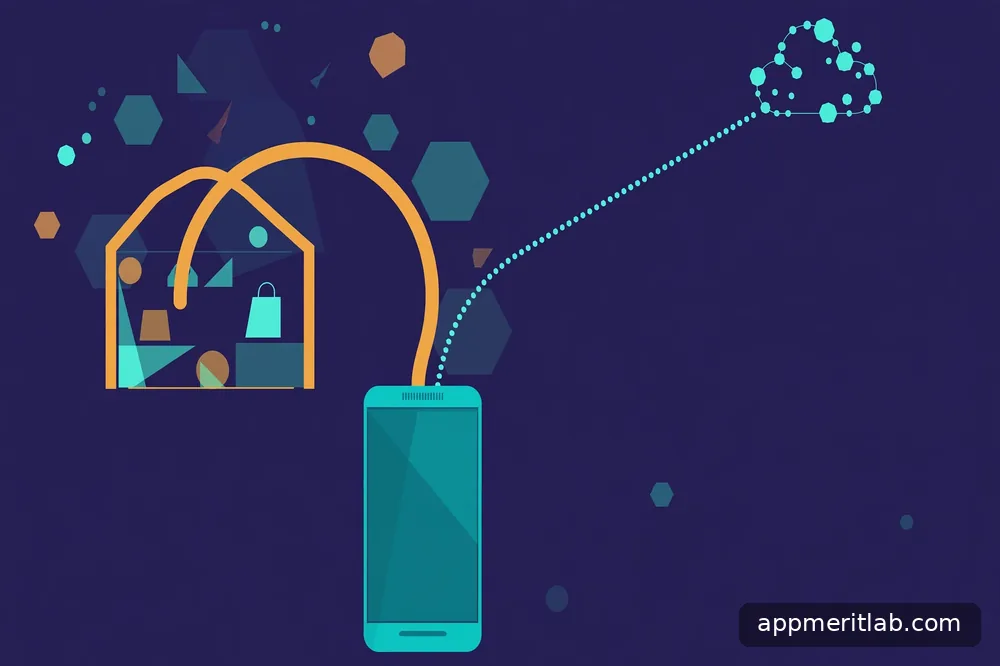
If you decide to pay on a developer’s website, run through a short safety checklist first. Confirm the link came from inside the legitimate app or the developer’s official site — not from an ad, a search result, or a message. Phishing sites that mimic checkout pages are the main risk of the external-payment era, and the App Store’s walled garden used to protect you from them automatically.
Second, check that the site uses a secure connection and a reputable payment processor before entering card details. Third, read the cancellation terms before you subscribe: where do you cancel, how much notice is required, and will you get a confirmation? Screenshot the terms and save every receipt email. If the developer makes cancellation hard to find, treat that as a warning sign and pay through the store instead.
Fourth, set your own reminder. Because external subscriptions do not appear in your store’s subscription list, they are invisible to the usual audit — add them to the calendar-alert system described in our guide to staying in control of trials so renewal dates never surprise you.
Finally, keep perspective on what you gain. A modest saving on a subscription you use daily is worthwhile. A small discount on an app you barely open is not worth the extra billing relationship. The external payment option is a tool, not a mandate — use it where the trust and the math both check out, and stay inside the store everywhere else.
Frequently asked questions
Is Fortnite free to download on the App Store?
Yes. Fortnite has always been free to download and play; it earns money through in-game purchases of virtual currency and cosmetic items. The App Store return did not change that model. What changed is how those purchases can be made: the iOS version now offers both Apple’s in-app purchase system and an external payment option side by side. The game itself costs nothing to install, and the years-long absence was about the payment dispute, not the price of the game.
Why was Fortnite removed from the App Store in the first place?
In August 2020, Epic added its own direct payment system inside Fortnite on iOS, bypassing Apple’s in-app purchase system and its commission. Apple removed the game within hours for violating App Store rules, and Epic filed its antitrust lawsuit the same day. The removal lasted nearly five years in the US. The underlying dispute was about two things: the commission Apple charges on in-app purchases, and the anti-steering rules that stopped developers from telling users about alternative payment options.
Can I still buy things inside Fortnite through Apple?
Yes. The version of Fortnite that returned to the App Store includes both standard Apple in-app purchases and Epic’s external payment option. You can choose either checkout. Paying through Apple keeps the purchase inside the App Store’s system — with its receipts, subscription management, and refund flow — while paying through Epic’s option takes you outside the store. Neither option is going away; the court rulings were about giving developers and users the choice, not about replacing one checkout with the other.
Does this ruling affect other apps, or just Fortnite?
It affects every app on the App Store. The court decisions on anti-steering apply platform-wide: any developer can now link to external payment options, not just Epic. You will increasingly see this in streaming apps, dating apps, productivity tools, and games — anywhere the developer believes it can offer a better price or experience outside the store’s billing. Fortnite was the highest-profile test case, but the practical change belongs to the whole ecosystem. Expect more “subscribe on our website” buttons in the apps you already use.
Is it safe to pay on a developer’s website instead of through the App Store?
It can be, with the right precautions. The main things you give up are the App Store’s centralized receipts, subscription management, and refund process — disputes go through the developer instead. To stay safe, only follow payment links from inside the legitimate app or the developer’s official site, verify the checkout is secure, read the cancellation terms before subscribing, and save every receipt. For developers you trust, the savings can be real. For unfamiliar ones, the store’s protections are worth keeping. When in doubt, pay through the store.
Your concrete next step
The next time an app offers you a choice between paying in the App Store and paying on the developer’s website, pause before tapping. Check whether the external price is actually lower, read the developer’s cancellation terms, and ask yourself whether you trust their billing support as much as the store’s.
Then update your subscription tracking: any subscription you buy outside the store will not appear in your phone’s subscription list, so add its renewal date to your calendar with an alert. The Epic vs. Apple fight gave you a new option at checkout — the concrete next step is making sure that option never turns into a charge you forgot about.
App Merit Lab publishes educational guides only. App features, prices, and policies change often — verify details in the official app store listing before making decisions.